
Before buying any pine pollen supplement, take a few minutes to run it through seven quick checks. First, look for evidence of third-party testing for heavy metals and label accuracy, since dietary supplements are not subject to pre-market FDA approval. Next, consider how the product handles pine pollen’s tough outer cell wall, as raw pollen can be difficult to digest and absorb. Check whether the label clearly identifies the pine species used, such as Pinus massoniana or Pinus sylvestris, and whether the pollen is wild-harvested. The supplement’s form should also match your goals, as powders, capsules, and tinctures can differ in convenience, absorption, and use. Make sure the dosage per serving is clearly stated rather than hidden within a proprietary blend. Be cautious of exaggerated health claims, especially regarding testosterone support, since human evidence remains limited despite common marketing messages. Finally, choose brands that provide full label transparency, including complete ingredient lists, sourcing information, and access to a certificate of analysis (COA).
Why does pine pollen quality vary so much?
Pine pollen is a fine yellow powder released by male pine cones. It contains many nutrients, including amino acids, vitamins, minerals, antioxidants, and plant compounds, which is why it has been used in traditional Chinese medicine for centuries and is now found in many energy, wellness, and healthy-aging supplements.
However, not all pine pollen products are the same. Quality can vary depending on the pine species, where it was harvested, and how it was processed. Past investigations have shown that some herbal supplements did not contain the ingredients listed on their labels. That's why it's important to use the checklist below to help choose a high-quality pine pollen supplement.
The 7 things to check before you buy pine pollen
Run every pine pollen product ours included through these seven checks before you buy. The first two alone will eliminate a large portion of low-quality products on the market.
1. Is it third-party tested for heavy metals and purity?
Third-party testing means an independent laboratory has verified that the supplement contains the ingredients listed on the label and does not exceed safe limits for contaminants such as heavy metals, pesticides, or microbes. Since supplements do not receive FDA approval before they are sold, a Certificate of Analysis (COA) or testing from organizations such as NSF or USP is one of the strongest indicators of quality and safety.
2. Cracked cell wall or raw: which one absorbs better?
Raw pine pollen is protected by a tough outer shell called sporopollenin, which is difficult for the human digestive system to break down. Cracked-cell-wall pine pollen is processed to break this barrier and make nutrients more accessible for absorption. Ideally, the cell wall should be cracked at a rate above 98%, while using low-temperature processing to help preserve delicate nutrients and reduce oxidation.
3. What species is it, and where was it harvested?
A high-quality pine pollen supplement should clearly identify the pine species and harvesting location. The most common species used are Pinus massoniana and Pinus sylvestris (Scots pine). Wild-harvested pollen collected from clean, low-pollution forests is generally preferred because pine pollen can absorb contaminants from the surrounding environment, including heavy metals and industrial pollutants.
4. Powder, capsule, or tincture: which form fits your goal?
The best form depends on how you plan to use pine pollen. Powders are versatile, cost-effective, and easy to add to smoothies or drinks. Capsules offer convenience and precise daily dosing without any taste. Tinctures are concentrated liquid extracts that may provide faster absorption and are often marketed for hormone-related support. Choose the format that best matches your lifestyle and wellness goals.
5. Is the dose per serving clearly stated?
A trustworthy product clearly lists the exact amount of pine pollen per serving rather than hiding it inside a proprietary blend. Most supplements provide anywhere from 200 to 1,500 mg per serving, depending on the product and form. Knowing the exact dose allows you to compare products accurately and make informed decisions about value, effectiveness, and safety.
6. Does the brand make honest claims, especially about testosterone?
Pine pollen naturally contains small amounts of plant hormones and hormone-related compounds, which is why it is often marketed for testosterone support. However, current human research does not provide strong evidence that standard oral pine pollen supplements significantly increase testosterone levels. Reliable brands present pine pollen as a nutritional supplement rather than making exaggerated promises or guaranteed hormone-boosting claims.
7. Is the full label transparent about ingredients and sourcing?
The best pine pollen supplements are completely transparent about what is inside the product. Look for labels that disclose the pine species, harvest origin, exact dosage, and all ingredients used. Brands should also be willing to provide a Certificate of Analysis upon request. If information about testing, sourcing, or ingredients is difficult to find, consider that a warning sign and look elsewhere.
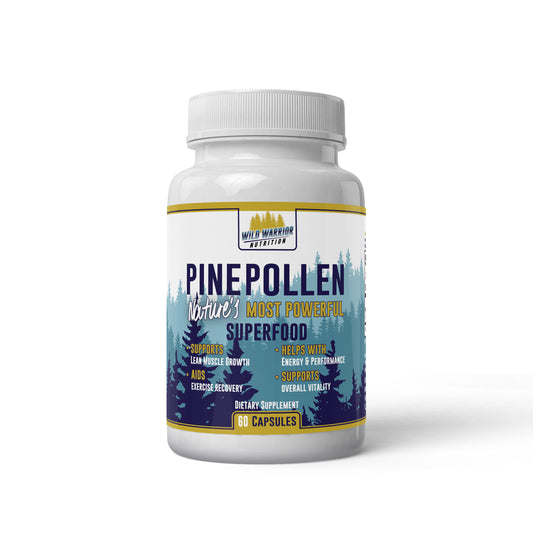
Want a product that already clears all seven? Our Cracked Cell Wall Pine Pollen Capsules are made from wild-harvested pine pollen, processed to improve absorption, and contain just one ingredient with no unnecessary fillers or additives. Each bottle includes 60 capsules, and the dosage is clearly listed so you know exactly what you're getting.
Your Pine Pollen Buying Checklist
Check this before you shop. A product should pass all seven:
-
Third-party tested, with a Certificate of Analysis (COA) available on request.
-
Cell wall processing clearly explained (cracked cell wall, low-temperature processing, light-protected) or another clear absorption method.
-
Species named (Pinus massoniana or Pinus sylvestris) and harvest region disclosed.
-
Form matches your goal: capsule for convenience, powder for flexibility, tincture for targeted support.
-
Exact milligrams of pine pollen per serving listed on the label, not hidden in a proprietary blend.
-
Honest, evidence-based claims with no guaranteed testosterone promises.
-
Clean, transparent ingredient list with no unnecessary fillers, additives, or hidden ingredients.
The Bottom Line: Choose Quality Over Marketing
When buying a pine pollen supplement, focus on quality, not flashy claims. What matters most is proper testing, clear sourcing, good absorption, an accurate dose, honest marketing, and a clean ingredient list.
A product that passes all seven checks is hard to find, but even choosing one that is third-party tested and processed for better absorption puts you ahead of many options on the market. Spending a little more on a well-tested, transparent product can save you money in the long run by helping you avoid low-quality supplements that may not deliver what the label promises.
FAQs
What should I look for when buying a pine pollen supplement?
Choose a product that is third-party tested, clearly lists the pine species and dosage, explains how it improves absorption, and has a clean ingredient list. Transparent labeling and testing are key signs of quality.
Is cracked cell wall pine pollen better than raw?
Usually, yes. Cracked cell wall pine pollen is easier for the body to absorb because the tough outer shell has been broken down. Raw pine pollen may be harder to digest.
Does pine pollen actually raise testosterone?
There is not enough strong human research to show that pine pollen significantly increases testosterone. It is best viewed as a nutritional supplement rather than a guaranteed testosterone booster.
Who should not take pine pollen?
People with pine or pollen allergies should avoid it. Those who are pregnant, nursing, under 18, taking medication, or managing hormone-related conditions should talk to a healthcare professional before using it.
Are pine pollen supplements third-party tested?
Some are, but many are not. Look for brands that provide independent lab testing and a Certificate of Analysis (COA). If a company cannot provide test results, consider choosing a different product.